
BankruptcyAttorney-LasVegas

File for Free - Payments After Filing of $200 per Month - FILE FOR FREE

Blog

Credit Card Use Before Bankruptcy

March 18, 2020 By Lawyer

Credit Card Charges and Cash Advances Right Before Filing Bankruptcy?

Yes! You can get rid of some credit card charges and cash advances made right before bankruptcy. Here is why. The court rarely reviews credit card statements. Take a look at the documents required by the trustee of the court. The court does not even list credit card statements. The court is not usually interested in your credit card purchases. Any complaints of credit card use before bankruptcy are almost always just between you and the credit card company. The credit card company would have to invest more money to object to your bankruptcy, and they might not get it back. Therefore, the credit card usage would have to be quite unreasonable before anyone does anything, even if you did violate the rules. This is even more true as time passes between the credit card charges or cash advances and the filing bankruptcy.

Regardless, it is better to follow the rules. If you have recent cash advances and credit card usage, contact an experienced bankruptcy attorney before filing bankruptcy to guide you through the process.

Bankruptcy Rules for Using Credit Cards and Cash Advances Before Filing Bankruptcy?

Bankruptcy Rule #1 Luxury Goods

Buying luxury good that total over $725, from the same creditor, within 90 days of filing bankruptcy, is suspect. If someone complains, the court may make you keep the debt unless you prove it was not a luxury good or you meant to repay it.

A lot of things have to happen before you violate this rule. First, it has to be a luxury good. Luxury good include things that are not necessary, such as jewelry, concert tickets, etc. It does not include things you need, like groceries or tires. If you are spending money on things you need, it doesn’t count.

Second, it has to total more than $725, and from the same creditor. Buying a $500 laptop doesn’t count, as long as that is the only thing you buy from that store.

Third, it has to be within 90 days of filing the bankruptcy. If you did buy something big on a credit card, you might be able to play defense with the creditors until the 90 days passes. After that, the presumption does not apply.

Lastly, somebody has to complain. A complaint is expensive, and a lot of work. Creditors will not decide to do this lightly. Adversary complaints are almost always settled without a trial. Therefore, even if you do get sued, you can probably settle.

The court can also consider other circumstances of Financial Responsibility. The number of items or total amount spent can still be financially irresponsible, even if the purchases were necessary and reasonable. If you feel you might have an issue, it is best to get a good bankruptcy lawyer.

Bankruptcy Rule #2 Cash Advances

Cash advances more than $1000 from a single creditor within 70 days before filing bankruptcy, is suspect. If somebody complains, the court will make you keep that debt unless you prove you meant to repay it.

This does not apply if the case advance was for a business purpose. However, what you spend the money on is of little consequence. The luxury goods rule does not apply to cash purchases. Also, the cash has to be over $1000 from a single creditor. Two cash advances for $500 from two different creditors does not apply.

Bankruptcy Rule #3 Intent to Repay

Intent to Repay is a Defense to Either the Luxury Goods Rule or the Cash Advance Rule

Even if you violate the first two rules, it doe not mean you automatically have to keep the debt. It all comes down to your intent to repay. If you violate the first two rules, and one of the creditors objects, the court assumes you did not intend to repay. You still get the opportunity to prove you did. Simply telling the judge you intended to repay will not be enough. You should get some legal help.

There can still be questionable credit card activity that does not violate the rules. You are in better shape, but you still need some help. If a creditor objects, the court will not assume anything. The creditor will have to prove that you did not intend to repay the debt. This is much more difficult. It is objective, and a lot less likely. Regardless, this is a serious manner in which you would want to involve a bankruptcy lawyer.

It is important to remember that none of this is considered unless there is an objection. The court rarely looks at credit card statements, and credit card companies charge very high interest. This means the court may not look favorably on them in bankruptcy court. However, don’t be a hero. If you have an issue, spend good money to protect yourself and get a good bankruptcy lawyer.

Your Credit Score Goes Up!

March 4, 2020 By rayrichter

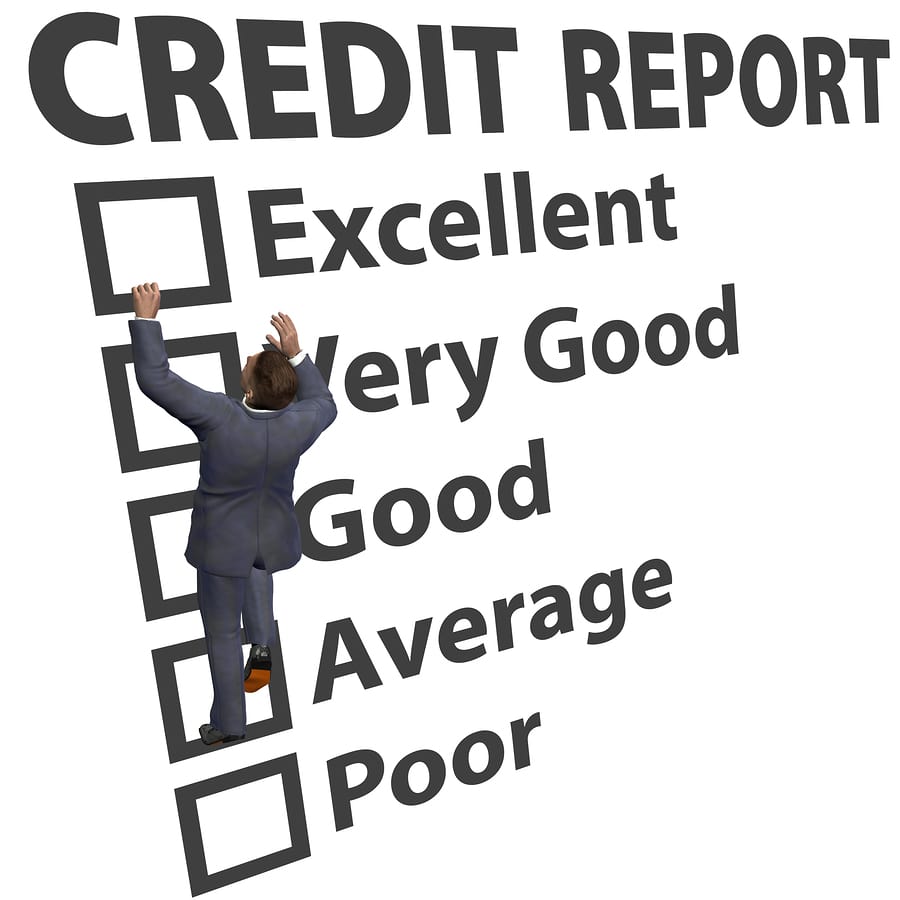
Bankruptcy Attorneys in LVCurious about your credit score going up after you already have filed bankruptcy? Bankruptcy laws were made to help the consumer, that’s the honest truth. Being worried about what may come after filing is very common among many different people. Even hearing rumors about not being able to establish credit, losing everything you have or even bankruptcy will hurt your credit for 10 years does not help the worry either. Let’s start off by first saying these are clearly all myths.
Even if your credit scores all decline or increase instantly after filing bankruptcy there are many opportunities to detect growth through sprucing up your credit logically.

  • Review your credit report. You would need to make sure there is no inaccuracy on your credit report that may hinder your credit score. Going to annualcreditreport.com to get the most up to date version of all three credit reports is a start. Using this site it will allow you to get all three credit reports free once every 12 months from the time you originally inquired. Typically, it is good to pull your credit again around three to six months once the bankruptcy case has been honored. This permits time for all the creditors to rectify their accounts to the credit reporting agencies. Making sure that the discharged balances from the bankruptcy are being conveyed to the credit departments with a zero balance is significant so it doesn’t count against you as an unresolved debt, particularly if you ever request for any new lines of credit.
  • Effectively paying on time. It is as straightforward as it sounds. Paying all bills punctually for whatever you need to operate your home; such as; rent and utilities to child support and alimony. If these aren’t paid it can end up on the credit report. Scheduling reminders about due dates with your phone can help be successful with this. The credit counseling classes that were required by the bankruptcy court will teach some values regarding budgeting your money. One of the key purposes of a budget is to fully understand all of your expenses. You do not want to get in another financial hole.
  • Getting credit after bankruptcy is important but you do not want to overdo it. Start small and be cautious. Open one account at a time and gradually progress from there. When you acquire one credit card use it for small purchases and then pay the balances right away. Credit bureaus want you to have more untouched credit accessible to you.
  • Recognize your limits. Going over your limit on a credit card doesn’t look pleasing to the credit agencies. Steep amounts do not score as well as the lower amounts. Monitor you charges carefully and budget to pay more than the minimum each month or you can also just charge what you know you can pay. Also, an assortment of credit will helps the credit score rise. Such as, various types of loans such as a credit card, mortgage, and vehicle loan etc. Do know that there is a difference in good credit and a heavy debt load is very important.
  • Make sure you keep all of your paperwork from when your bankruptcy gets discharged. Many lenders before considering you for future lines of credit want to see this paperwork from you. For example, if you were trying to get a vehicle loan right after discharging your bankruptcy it is possible as long as you bring this paperwork with at the time of taking out the loan. Also, if something ever pops up in the future you will always have the paperwork to relate back to just in case there are any questions that come up. Plus if you happen to lose this paperwork you may have to pay to get copies of these from the attorney you used or even the bankruptcy court themselves.

Furthermore, credit is the main focus of modern day life to be successful. You are going to need credit to buy a home, to finance or even lease a vehicle, to travel around the country in an RV or to just rent an apartment. Good credit will only make life easier. Who would not want that? Starting an emergency fund and sticking by it may also help with any financial concerns during any downtime. Remember, Bankruptcy is an opportunity for a “do-over.” It is a renewed start on your financial life. These applicable suggestions are simple and may enhance the credit score, no more than 3 years. Take these steps, and you can be equipped for much of whatsoever life may throw at you.

Resources https://www.thebankruptcysite.org/resources/life-after-bankruptcy.html

Annualcreditreport.com

http://blog.credit.com/2014/12/5-things-to-do-after-bankruptcy-103308/

https://www.legalzoom.com/articles/life-after-bankruptcy-get-back-on-your-feet-after-filing-chapter-7

http://www.totalbankruptcy.com/life-after-bankruptcy/after-bankruptcy.aspx

What is a Basic Chapter 7 Bankruptcy?

March 4, 2020 By rayrichter

Chapter 7 bankruptcy basics: Chapter 7 bankruptcy allows a quick discharge of most debts while keeping all the property you need.

Whether you are facing overwhelming debt or just want to eliminate debt to be in a better financial position, bankruptcy is a good option.

How do I keep my property in Chapter 7 bankruptcy?

Exemptions!  Every state has a list of property that cannot be taken by creditors.  Whether a creditor sues you or garnishes your wages, there is certain property that they cannot take.  This list of property is “exempt” from being taken by creditors.  This is where we get the name “exemptions” – or property described by state law that creditors cannot take.

What property can I keep in bankruptcy?  Can I keep my house and car?

Bankruptcy exemptions will include equity in your car and your home.  Unless you own your car and house outright, you probably will not have a problem exempting them.  Most people who file Chapter 7 are able to keep their car and house through the bankruptcy process if they want to.  If you do not want to keep your car or house and they are financed, you can surrender them in the bankruptcy process and owe nothing.

Exemptions will also include property such as household furnishings, which includes your furniture, couch, bed, plates, silverware, TV, and essentially everything you need to live.  You can even keep some cash or some money in a bank account.  Of course, the measurement of your bankruptcy exemptions is done on the day that you file.  No trustee is going to come out to see if you actually have one more end table than you declared, but it is nice to be truthful under oath.  Also, if you have some money or property that is not going to be exempt, you will want to make sure that you do not have that money or property on the day you file.

Common questions about exemptions surround retirement accounts, disability, social security, and veteran’s benefits.  All of these are exempt.  Bankruptcy will not affect these accounts or benefits.

Can I file Chapter 7 bankruptcy?

Probably.  Most people do.  Nine out of every 10 bankruptcies are Chapter 7.  There are several ways to qualify.  The U.S. Bankruptcy Court has established a test called the means test.  If you pass the means test, you can file a Chapter 7 bankruptcy.  However, you automatically pass the means test if you earn less than the mean income in your state.  The mean income in your state is determined by the size of your household.  For example, if the number of people in your household is three, and you make less than about $50,000 per year from all sources, you qualify.  You do not even have to take the means test.

If you make more than the mean income in your state, you can still qualify for a Chapter 7 bankruptcy by passing the means test.  The means test takes into account your actual expenses.  There are some limitations on your actual expenses, but if there is no money left after subtracting reasonable expenses from your income, you can still qualify for a Chapter 7.

What debts are discharged in Chapter 7 bankruptcy?

Chapter 7 bankruptcy will discharge most unsecured debt that does not receive special treatment like student loans or some taxes.  Chapter 7 will also discharge secured debt where the property is surrendered.  If you decide to keep the secured property, you will simply have to pay the secured debt.

Unsecured debt includes credit cards, medical bills, store credit cards, and any debt where the creditor will not take property from you if you don’t pay.  There are some kinds of unsecured debt that are treated differently by the court.  Child support, alimony, student loans, and fines ordered by a court are good examples of unsecured debts that are more difficult if not impossible to discharge in Chapter 7.

Secured debt is when the creditor will take property from you if you don’t pay.  Car payments and house payments are examples of payments of secured debt.  If you don’t make the payments, the creditor will take the car or the home back.  Bankruptcy allows you to decide whether you want to keep these things.  If you decide to keep a secured item, you will have to continue making the payments and probably complete a reaffirmation agreement.  If you decide to forfeit this property, you can simply stop paying and owe nothing.  Secured debt is not dischargeable if you want to keep the property.  You cannot discharge the balance on your car loan and still keep the car.

How do I pay for bankruptcy?

It seems like a strange position to be in.  I have to file bankruptcy because I don’t have any money, but I have to pay money to file bankruptcy.  How can I pay money I don’t have?

Paying for bankruptcy is always one of the more challenging issues with filing bankruptcy.  Most bankruptcy lawyers will take payments, but the payments have to be complete before filing.  This is to prevent discharging the bankruptcy attorney’s fees in the bankruptcy.  Attorney’s fees are unsecured debt and could be discharged just like any other debt.

If you are subject to garnishment or foreclosure, you won’t have time to make payments.  In this case, you still have a few options.  You could file a Chapter 13.  In this case, you will need to find an attorney willing to file the Chapter 13 bankruptcy for little money down.  This is risky for the attorney.  If you don’t make any payments to the bankruptcy trustee, the bankruptcy attorney will not make any more money than you paid up front.

Another option to pay for your bankruptcy is to sell or finance some property.  If you are able to borrow money against some property, and you intend to keep that property, it might be acceptable.  You will have to pay the new debt after the bankruptcy.  But you would be able to file the bankruptcy right away.  Of course, it is always an option to sell some property.  Do you have some nice property that a bankruptcy lawyer might like?  Taking a loan that you intend to repay against property you intend to keep or selling some other property might also help with property that might be nonexempt.  If someone is secured against the property or if you no longer own the property, you will not need a bankruptcy exemption to protect it.

Can I pay for bankruptcy with a credit card?

You are not supposed to, but yes.  Paying for a bankruptcy with a credit card could be seen as a fraudulent purchase.  After all, if you have no intent to repaying the credit card, you will be getting a free bankruptcy.  As a practical matter, the credit card company will likely not file all of the paperwork to challenge the purchase.  Even if it does, it likely will settle for a small percentage of the amount you paid your bankruptcy attorney for the bankruptcy.  Of course, the bankruptcy lawyer might not accept a credit card payment, and the creditor might ask that your discharge be disallowed.  It is probably not worth the risk, but it is possible.

Get Help from a Nevada Bankruptcy Lawyer

It is important to work with an experienced Las Vegas bankruptcy attorney who understands the legal system and how to help you avoid potential traps. Contact us today at 702-997-4149 to schedule a free consultation.