
BankruptcyAttorney-LasVegas

File for Free - Payments After Filing of $200 per Month - FILE FOR FREE

Blog

Should I File for Bankruptcy?

June 12, 2017 By rayrichter

Probably.  Filing for bankruptcy is an option people do not want to consider until it is too late.  Once you get past the stigma of bankruptcy, it is a really good program.  The earlier you consider whether bankruptcy could help you, the better off you will be.

What is bankruptcy?

Bankruptcy is a federal program to help with debt.  The ability to deal with debt in bankruptcy has been around since the country was founded.  The rules have changed over the years, but the concept remains the same.  Anyone can have trouble with debt.  Debt problems should not define who you are or keep you from living your life.  So, there is a fresh start called bankruptcy.  It is just one way the government takes care of you.  There is no reason to resist using it.  When you get old enough to retire, are you going to refuse to use social security?  Why would you refuse to use bankruptcy?  They are both government programs for the benefit of the people.

Bankruptcy is how the federal government wants you to deal with overwhelming debt.  Bankruptcy is so important to the federal government that it does not leave it to the state courts.  The United States Bankruptcy Court still handles bankruptcies in every state.  Of course, the government has an interest.  It does not want you to get sick of working just to pay your creditors.  If you do, you might stop working and stop paying taxes.  To keep you on the tax rolls, the government will tell the banks to get lost and give you a fresh start.

Bankruptcy is becoming more acceptable as life is getting harder in America.  America is producing more “working poor” than ever before.  Working hard at a job every day is no guarantee you will be able to pay your bills anymore.  Popular magazines even discuss bankruptcy as it becomes an accepted means of dealing with debt.

How do I know when to file for bankruptcy?

You will probably not realize you need bankruptcy until long after you really do.  The perfect time to file bankruptcy is at the tipping point where your income no longer meets your expenses.  Unfortunately, not many people realize that this is the beginning of the end.  Because of cheap credit options and other means to deal with debt, it might be years before it becomes clear that bankruptcy is the answer.  It often doesn’t even seem like a problem until it’s too late.  Early warning signs are paying a bill late or charging something on a credit card to worry about later.  If the income is not enough to pay expenses now, there will not be extra income to catch up later.  This downward spiral can continue for a very long time.  It is best to realize it early and address the issue.

Do I have to be broke to file bankruptcy?

No!  The biggest mistake people make is spending all their money and running up all their debt trying to avoid bankruptcy.  There is no reason to put off filing until you are broke.  When you file bankruptcy, you get to keep all your exempt assets.  This means that you will almost certainly be able to keep your home and car in bankruptcy.  You also will be able to keep all your household goods.  You can keep your sofa and your dining room table and your refrigerator.  Bankruptcy does not try to punish you.  Bankruptcy wants to leave you all the things you need to get a fresh start.  Bankruptcy is a beautiful program.

How do I keep my stuff in bankruptcy?

The Chapter 13 and Chapter 7 bankruptcy petition asks you to self-report your assets.  There are many ways to do this wrong that will alert the trustee.

Essentially, you make a list of all the stuff you own.  You then assign a “replacement value” to each item.  This is tedious, but it will lend credibility to your petition to do the exercise.  For example, list your couch under household goods and determine what it would cost to replace your couch.  You will also have to list the statute that exempts your couch.  Replacement value on a used couch does not mean you price out a new couch.  You look for a price on a used couch of similar age and quality.  Look on Craigslist or letgo or one of the other many apps and sites for listing and buying used goods.  Once you find a good price, list the used price as the replacement price of your couch.

A trap to stay away from is not reporting anything on your petition.  The trustee will then grill you at the 341 creditors meeting about whose clothes you are wearing because you did not list any clothes on your petition.  There will be questions about your empty house with nothing to sleep on.  Also, you do not want to play games by saying that stuff is not yours.  Nobody believes you are just holding it for a friend.  The bankruptcy court is not trying to take your last nickel.  Just declare the stuff, and it will be fine.

Can I keep my motorcycle in bankruptcy?

Probably.  Every state has a motor vehicle exemption.  You can use that motor vehicle exemption to keep your motorcycle.  For a specific description, please read “Can I keep My Car in Bankruptcy?

Can I keep my house in bankruptcy?

Probably.  Every state has a homestead exemption.  You can use the homestead exemption to exempt the equity in your home.  For a specific description, please read “Can I Keep My Home in Bankruptcy?”  Even if your home value has appreciated and the amount of equity in your home is over the homestead exemption, bankruptcy can still help you.  A Chapter 13 bankruptcy might work better.  Chapter 13 bankruptcy is a powerful debt management tool.

File Bankruptcy Early and Often

Bankruptcy is an amazing tool.  It can help you even more if you realize it early.  The quicker you consider bankruptcy, the better off you will be.  We have professional debt counselors who can chat with you right now.  You can also call or email to schedule a free consultation with an attorney.  You will meet with an attorney, not a paralegal or salesperson.  You will get real legal advice.  The earlier you consider it, the sooner you will see the path back to life for yourself, not your creditors.  Contact us now.
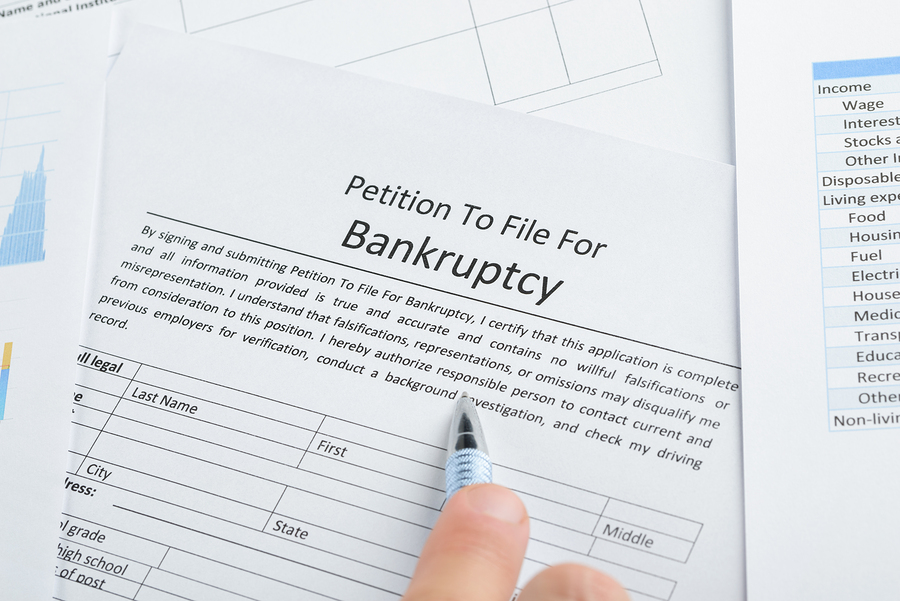
3 Ways to Find a Good Bankruptcy Lawyer

June 9, 2017 By rayrichter

Bankruptcy attorneys are everywhere.  A Google search turns up over 5 million results.  So how do you find the right bankruptcy lawyer?  Is one just as good as another?  I will help guide you through it with these three tips.

You should never meet with a bankruptcy lawyer paralegal.

Most bankruptcy law firms will offer a free consultation.  This is standard practice to talk about the debt issues facing you.  However, the attorneys that work for these big firms are pretty proud of themselves.  They are so proud, in fact, that they will not sit down to have a real conversation about things that matter to you and me.

Because these attorneys are guarded and removed from the actual clients, they will almost always have you talk to a paralegal.  The paralegal will gather the information on the issues and tell you how bankruptcy works.  If you do get to meet with the attorney, it will only be for a minute and then it is back to the paralegal to gather your information and prepare your bankruptcy petition.  How is an attorney who does not know you, and does not know your case, supposed to represent you in bankruptcy court?  She can’t.  In big firms, it might not even be the same attorney you met with or the same attorney whose name is on your petition.  The attorney may have never seen your petition until the hearing.  When you show up to your creditor’s meeting, if the attorney has to introduce themselves, you hired the wrong firm.

This is a very important point.  You should have a personal relationship with your attorney.  Your bankruptcy lawyer should know you.  It is a simple process, but you are both in this together.  If your bankruptcy attorney cannot take the time to know who you are, he/she will not take the time to know your case.  If your own attorney does not know your case, it could end up in further pleadings, a 2004 exam that could last for hours, or a miscommunication with the bankruptcy trustee that causes your case to be complex.

There is no need for this aggravation.  When scheduling the appointment, ask if you will be meeting personally and directly with the bankruptcy attorney.  Ask if the paralegal will be conducting most of the interview and the attorney only getting introduced.  The entire meeting, the consideration of your issues, and the bankruptcy process should be handled by the attorney you pay.  Don’t trust a bankruptcy mill who pushes hundreds of cases and does not handle your case personally.

You should know the cost going in.

Certainly there are some cases that are more complicated than others.  If this happens, the attorney can explain why the case is a more complex bankruptcy case and quote a higher price when you meet with her. But for the most part, 9 out of 10 bankruptcy filings follow the same path.  The reason most firms will not tell you how much it costs is because they want to see if you would be willing to pay a higher amount.  If you have a lot of debt, some firms will assume you are free with your money and will be willing to pay a higher fee.  If you have nice cars or a big wedding ring, the attorney will seize on that and ask you to pay more.  There is no reason for this.

A bankruptcy filing should cost between $1000 and $1500.  The secret is out.  If you are asked to pay more than this, you are owed an explanation.

How much does a bankruptcy lawyer cost?

A bankruptcy lawyer should cost between $1000 and $1500.  There should also be a filing fee of about $300 regardless if you file chapter 7 bankruptcy or chapter 13 bankruptcy.  So how do some firms advertise $100 filings?  This is a trick to get you in the door.  Once you agree to speak to their paralegal, the fees will increase drastically for no reason.  Some firms will increase the fees if you have a lot of debt.  Some firms will charge a lot if you have a car to reaffirm.  If you want to talk to someone other than a paralegal, most every attorney charges the same.  Some of them are up front about it, and some of them quote lower fees to trick you.  Which would you prefer?

Some attorneys run a glorified petition preparation shop.  They advertise that they are a law firm, but then they provide little legal representation.  They will advertise a discounted fee that is less expensive than others.  For this discounted fee you will get the privilege of talking to a paralegal who will prepare your document without any input from the attorney.  The attorney will not know you or your case, yet you still pay for the attorney to “represent” you.  This is not the way you need to be treated.

What you should look for is an attorney who has plenty of staff to provide customer service.  Customer service is very important.  Bankruptcy is an unfamiliar process to you.  A lot of anxiety can be resolved by talking to someone.

You should also look for an attorney who provides personal legal representation.  If you are going to pay an attorney to represent you, you should not have to deal with a paralegal.  If an attorney continually shuffles you off to his paralegal, the lawyer is not trying to help you.  He is just trying to make money by taking money for legal representation and having the paralegal do the work.

Mostly, you should look for an attorney that is interested in helping you.  Your attorney should have a personal interest in helping people.  This is not a divorce or a custody fight.  There is no reason to be mean or confrontational.  This is an application to have your debt discharged.  Your attorney should be very personable and sympathetic to your issues.

Every attorney you contact through wantafreshstart will be interested in you personally.  They will have ample staff to answer the phone seven days a week.  They will know your case and prepare your petition personally.  You will have a direct phone number to them.  We cut through all of the bankruptcy business to offer a friendly customer service experience.  You already have enough people stressing you out about debt.  The least we can do is make the discharge of that debt a pleasing process.

How Much Does It Cost to File Bankruptcy?

June 3, 2017 By rayrichter

When a person considers bankruptcy, a common question is how much bankruptcy costs.  There are several expenses associated with a successful bankruptcy filing.  Some bankruptcy fees depend on your income.  Your income will likely determine whether you file Chapter 7 or Chapter 13 bankruptcy.  Other bankruptcy costs depend on how much debt you have.  More or complex debt can lead to higher bankruptcy fees.  The most important factor when it comes to bankruptcy expense is hiring the right bankruptcy lawyer.  Some attorneys overcharge.  You might overpay if you do not know what to expect.  Let’s look at Chapter 7 and Chapter 13 bankruptcy attorney’s fees, court filing fees, and the required classes.  This will help you protect yourself from bankruptcy attorneys trying to charge too much.

What is a basic Chapter 7 bankruptcy? (Yes, you can almost certainly keep your home and car.)  

If you qualify for Chapter 7 bankruptcy, the process is very straightforward.  The goal is to discharge the debt and keep the assets.  This usually can be accomplished.  There are some debts that cannot be discharged.  Secured debt on assets you would like to keep, student loans, and some taxes are frequent considerations.  Most people are able to keep all their assets, including their home and car.  Check with the list of exemptions in your state.  There are some assets that might need some consideration before you file if they are not included in the exemptions. The value of most homes you live in and cars you drive is included in the exemptions in every state. In almost every case, people are able to keep their home and car.

How much are the attorney’s fees for filing Chapter 7 bankruptcy?  

Chapter 7 attorney’s fees vary from state to state, but a general range is from $1,000 to $1,500.  This can be made in payments to the attorney.  For example, in Nevada and Colorado, attorney’s fees are a little higher than they are in Arizona.  Filing bankruptcy in Las Vegas or Denver could cost a couple hundred dollars more than a bankruptcy in Phoenix.  Regardless of whether you are filing a Denver, Las Vegas, or Phoenix bankruptcy, however, the range of attorney’s fees is the same.

What is a basic Chapter 13 bankruptcy?

Chapter 13 bankruptcy is used for incomes well above the Chapter 7 guidelines, nonexempt asset protection, or financing debts that cannot be discharged, such as student loans.  In Chapter 13, a debtor will pay their disposable net income to the court for a number of months. After the payments, the rest of the debt is discharged.  The payments are whatever the debtor can afford.  Subtract expenses from income; pay what’s left.  The payments can be really small, and the debt discharged can be really big.  You do not have to repay all your debt!  In fact, you will likely repay little or no unsecured debt, just like a Chapter 7.  Chapter 13 is a much better plan in many cases.

How much are attorney’s fees for filing Chapter 13 Bankruptcy?

The attorney’s fees for Chapter 13 are set by the bankruptcy court.  Chapter 13 fees vary by jurisdiction, but every attorney eventually gets paid the same.  Some of the fees are paid by you to the attorney before filing.  The rest of the fees are paid by the trustee to the attorney from the payment plan after filing.

The real focus should be the amount of money you pay the attorney before filing.  After your up-front fees, the rest of the attorney’s fees will come from your plan payments instead of going to your creditors.  It is better for you to pay as little up front as you can.  Some attorneys will want $2,500 or more up front before taking your case.  A Denver or Phoenix Chapter 13 bankruptcy can be filed for as little as $500 up front through our site.  A Las Vegas Chapter 13 can be filed for as little as $750 up front.

How much are filing fees for Chapter 13 and Chapter 7 bankruptcy?

Filing fees for each case are about $300.  These fees can normally be paid to the court after filing.  The court offers a payment plan for payment of the filing fees.  It is much more difficult to get the fees waived, but it is possible.  After filing, you will not be making payments to any of your other unsecured creditors.  Payment of the filing fee through a payment plan should work for almost everyone.

What is a credit counseling class?

The credit counseling class is a quick overview of credit that is required by the bankruptcy court before filing a petition.  It can be taken online or over the phone.  The credit counseling class covers things like where to find inexpensive items and the real cost of credit.  There is only one class.  It lasts about an hour.  You are not required to learn anything.  You just have to take it.

How much does the credit counseling class cost?

A credit counseling class should cost about $50.  You can normally take the class through your attorney.  You will need an hour alone with an internet connection or a telephone.  If you need help finding an internet connection, the library can help.  You could even take it at your attorney’s office.  Finding the free hour is up to you.

What is a debt management class?

Much like the credit counseling class, the debt management class is required by the bankruptcy court.  It is a longer class, usually over an hour.  It can also be taken online or over the telephone.  The debt management class must be taken after you file bankruptcy but before discharge.  In the case of Chapter 13 bankruptcy, the class may not be taken for several months.  The bankruptcy court will send notice to make sure you don’t forget.

How much does the debt management class cost?

The debt management class also costs about $50.  The credit counseling class and debt management class can both be taken online.  Your attorney will help you register for the classes.

What if I need to file bankruptcy right away? It’s an emergency bankruptcy filing.  

Sometimes, you need to file bankruptcy right away.  This could be the case to stop a garnishment, foreclosure, or repossession.  A bankruptcy can be declared in just a few minutes.  The exhaustive documentation can all be done later.  Filing an emergency bankruptcy is a much more involved process.  The documentation takes several times as long.  Because of this, there may be a fee for emergency filing charged by your attorney.  These fees are usually about $500.

Can a friend or paralegal help me with bankruptcy?  

Some bankruptcy filings do not go as smoothly as planned.  This is why it is always a good idea to meet directly with your bankruptcy attorney.  Meeting with a paralegal in the bankruptcy office will not prepare you for bankruptcy.  The paralegal cannot represent you.  If there are additional hearings like a 2004 exam, reaffirmation hearing, redemption objection, presumption of abuse, conversion hearing, or any other number of objections or adversary proceedings, a paralegal is just not good enough.  Having a friend who claims to know all about bankruptcy help you with your documents is also asking for trouble.  Few attorneys will take a case started by a paralegal or messed up by a friend.

Friends and paralegals are going to charge something for their help.  The attorney’s fees to guarantee your bankruptcy is done right are just not that expensive for the assurance.  The attorney’s fees can be made in payments and are well worth it if someone gets interested in your case.

A number of cases are randomly chosen by the bankruptcy trustee for audit.  In this case, there will be a 2004 exam that could take several hours of an attorney hired by the government going over every line of your filing.  Your case could be chosen.  This is only one instance in which the amount paid to a bankruptcy attorney is worth more than completing the documents.  It is an insurance policy to defend against the government’s lawyers.  There really is no better value than a bankruptcy attorney.